



Rethinking Fail Fast
We have all heard some version of this advice.
Fail fast.
Fail better.
Fail forward.
It’s the mantra that’s driving startups’ success. It’s the very cornerstone of belief that built up the tech industry and continues to fuel its growth.
Embracing this approach is seen as progressive and bold because it permits action and removes the fear of getting things wrong. In many ways, it corrected a culture that once feared mistakes.
This focus on quick failure has caused a crucial misunderstanding of what matters most.
Most organisations and leaders don't struggle to act; instead, they struggle to clearly define what success or failure actually means.
As a result, many organisations don’t truly fail fast. Instead, some stop too early, while others continue without questioning, labelling persistence as “grit.”
Sora App - a very recent example
Last October, the Sora app became the number one downloaded app, with over 100,000 iOS downloads in a single day, and reached 1 million downloads within 5 days. These numbers suggest immediate popularity and apparent success.
About six months later, Sora announced it was shutting down without providing any explanation.
This raises the question, what actually happened?
- Was this a failure?
- Or was it an initial success that did not sustain?
- Or was it never truly successful in the first place?
Yet, most discussions about such outcomes rarely move beyond opinions.
Some will say, “At least they tried.”
Others will say, “They should have stayed longer.”
What was success supposed to look like?
This question lies at the core of the issue.
We confuse action with impact, adoption with value, and early traction with sustained performance.
Consequently, we face a difficult decision.
When do you pull the plug?
This is where the ROI Methodology® steps in with a much-needed shift in thinking.
Rather than allowing debate over opinions, it enforces discipline by requiring a clear definition of success at the outset. It compels you to directly link effort to outcomes and supplies a structured framework for measuring whether activities create value or merely use up resources.
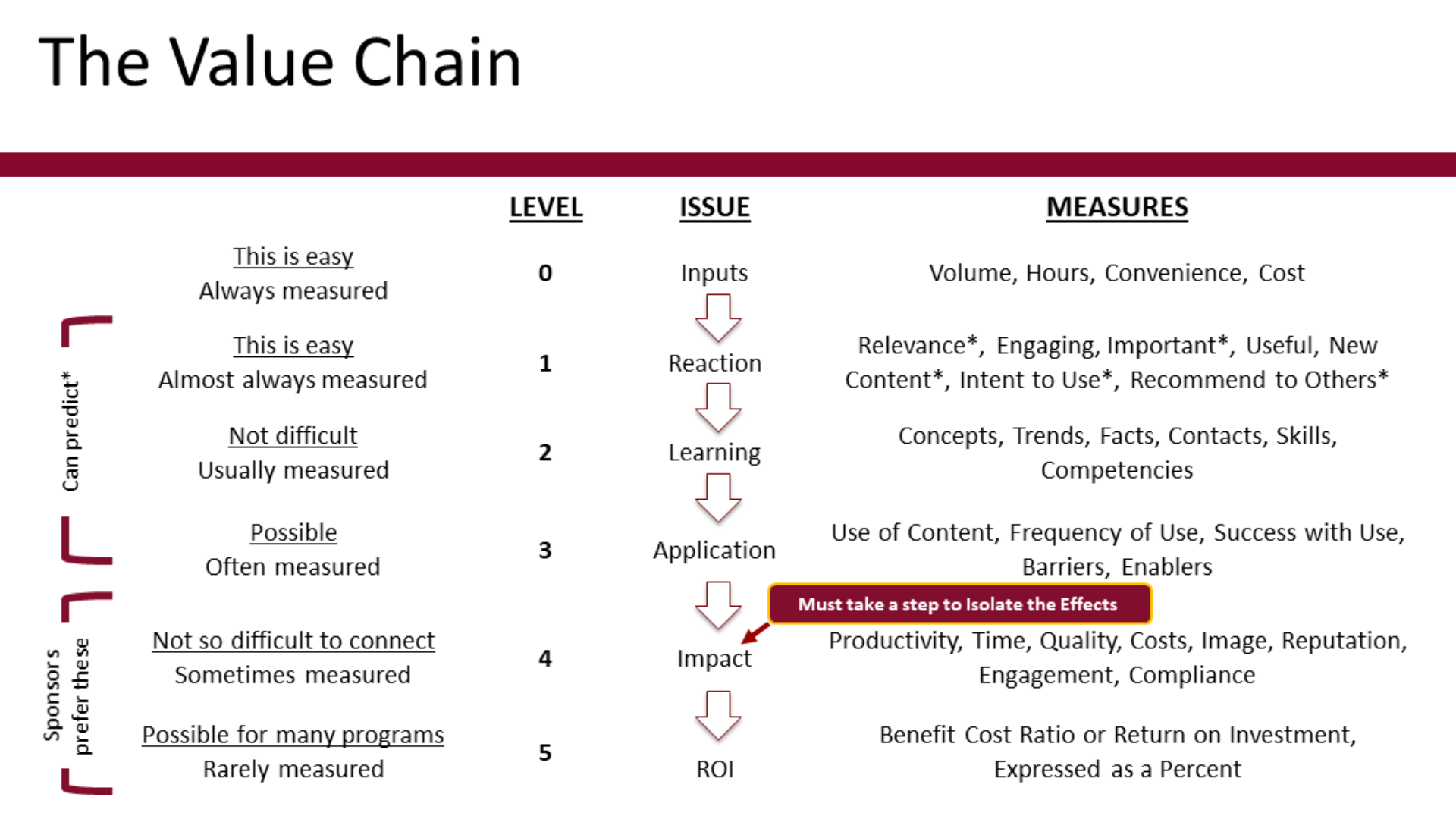
Fig. 1: The Value Chain of Impact.
Central to this approach is the Value Chain of Impact. Every program, project, or initiative, whether it is an app, a training program, or a business strategy, follows an impact chain.
- Inputs: Inputs lead to activities.
- Reaction: Every activity evokes a reaction.
- Learning: The reaction leads to learning
- Application: Learning should lead to application
- Impact: Application should lead to impact
- ROI: Impact should deliver ROI
Most leaders and teams start measuring reaction, and maybe go one step further to measure learning. Some stretch to measuring application, usually through self-reported data. Very few rigorously track impact, and only a handful quantify ROI with discipline.
For most, ROI is often an afterthought.
Now, let’s revisit the Sora example through this lens.
High downloads tell us something about reach. It tells us nothing about sustained usage, nor behaviour change, nor business impact.
Without clarity on these deeper indicators, any decision to continue or shut down risks being reactive rather than strategic.
To see how broadly this applies, consider a leadership development program.
If participants enjoyed the program, that tells us something about the activity and their reaction to it.
If they learned new frameworks, that tells us something about capability.
But the real question is this:
- Did they use those capabilities in their role?
- Did their behaviour change in observable ways?
- Did that change influence team performance, productivity, retention, or revenue?
If we can't answer these questions, we're not measuring success; we're just measuring participation. As a result, any actions taken will tend to be reactive.
This is why “failing fast” is insufficient. Without a clear definition of success along the entire Chain of Impact, you cannot know if something has truly failed.
You only know that it has ended.
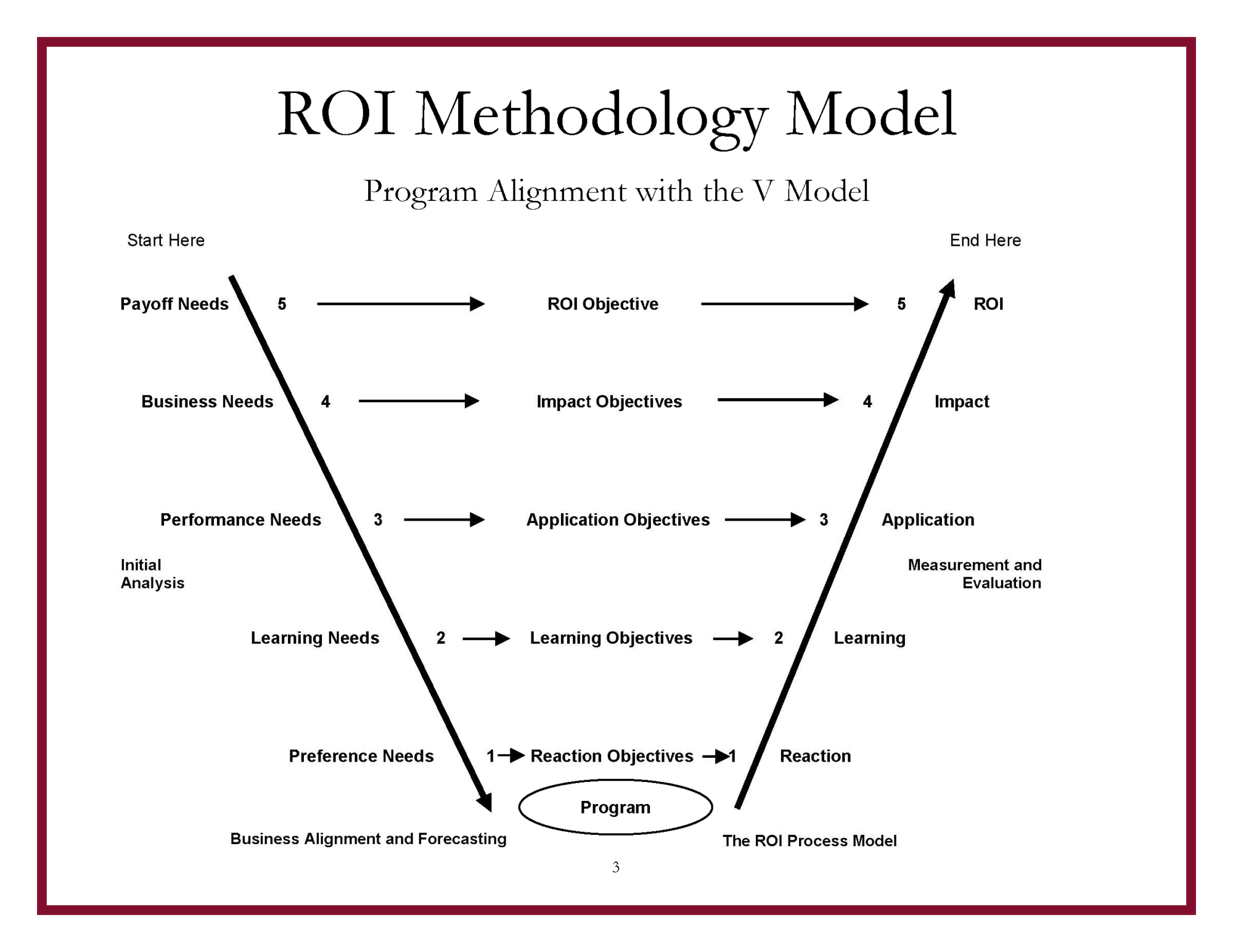
Fig. 2: Program Alignment with the V Model
This is where the Program Alignment with the V Model becomes critical. Before you launch anything, you define:
- What does success look like at each level?
- What metrics will indicate progress?
- By when should those results be visible?
- What timelines are realistic for each outcome?
So instead of asking six months later, “Did this fail?”, you are continuously answering:
- Are we on track?
- Are we seeing movement where it matters?
- If not, where is the break in the chain?
- Do we need to adapt, optimise, or stop?
This level of clarity enables you to make confident decisions. You continue only if it drives measurable Business Impact, not just early success.
And just as important, you do not pull the plug because something feels unsuccessful. You do so because the evidence tells you that the expected impact is not materialising, despite reasonable effort and iteration.
Failure, then, is not a moment. It is a measured outcome.
And success is not early traction. It is a sustained impact.
So perhaps it is time to rethink the advice.
Do not fail fast.
- Define success clearly.
- Measure what matters.
- Decide with discipline.
Ultimately, the goal is not just to fail fast.
The goal is to know, with confidence, whether you are succeeding at all.


